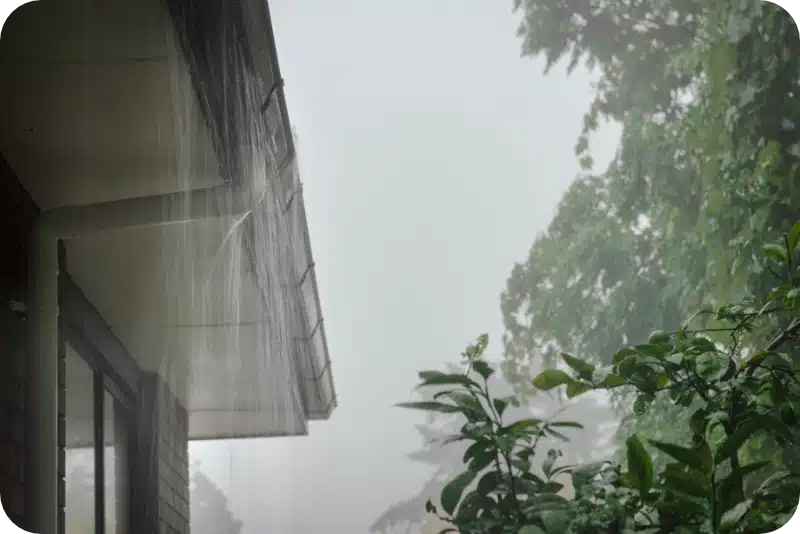
It is not uncommon to wonder if pest control applies sprays during the rain, as it fosters moisture. Fortunately, with precautions, they do. Applying insect or rodent treatments while surfaces are wet is generally avoided, since moisture dilutes certain solutions and reduces the duration of their effectiveness. It causes uneven distribution, leaving untreated gaps where pests can return. This is why various technicians prefer to wait for drier conditions before they begin applications.
There are exceptions, as various modern formulations are designed to bond with damp surfaces, proving to be more effective with water. They work surprisingly well, though the timing matters, too much water flowing over treated spots may wash everything away. A minor break in the weather, with enough time for the treatment to settle, makes a difference.
If you are unsure, you should ask about products for wet conditions. A specialist may suggest rescheduling, or perhaps targeting sheltered areas first. Entry points under eaves, along siding, or near foundation cracks are less exposed and often still accessible, allowing some work to proceed without losing its impact.
Can Pest Control Spray in the Rain?
If precipitation is light and steady, certain exterior treatments may still go ahead without losing much of their intended impact. However, a heavy downpour may quickly dilute or wash away solutions, making the application less reliable. Many technicians prefer to reschedule outdoor work in such conditions, while completing interior services without delay.
Adjustments to the formula or timing helps maintain results and effectiveness. For instance, a technician may apply a barrier treatment to sheltered areas first, then returns for open zones once the weather improves. This approach keeps protective layers intact for longer. Services such as pest control Calgary combines indoor measures with weather-conscious outdoor strategies, ensuring you do not lose protection entirely because of the weather.
For moisture-sensitive problems, like dealing with carpet beetles or moths, focuses on interior treatments. Guides such as can pest control get rid of carpet beetles and pest control moth extermination explain why indoor methods remain consistent regardless of outdoor weather. For unique situations, such as treating an infested vehicle, guides like how to pest control your car helps you choose the right timing and method.
While damp conditions do not always stop exterior work, all cases cannot be solved with one common answer. Weather, application area, and treatment type all influence the decision. A brief delay may seem inconvenient, but it may mean the difference between short-term and long-term results.
How Different Types of Pest Control Treatments React to Wet Weather
Many outdoor applications may still work during light moisture, but only under certain conditions. For instance, various granular products are effective with water, as it helps the granular dissolve and activate in soil. However, liquid-based solutions which rely on surface contact lose potency once water begins to wash them away. In most cases, technicians adjust timing or their product choice rather than cancel a service altogether.
Baits are another category worth considering. Many gel and solid bait formulas remain stable in damp surroundings, but only if they are placed in sheltered areas. Too much water dilutes their scent or makes them less appealing, leading to slower results. That is why a skilled technician may relocate bait stations or add protective covers.
Barrier treatments are very sensitive to moisture. A fresh application along exterior walls or entry points rapidly degrades if followed by lots of rain. To resolve this, technicians use microencapsulated formulations which resist dilution longer, even though they do have limits. If outdoor conditions are unpredictable, rescheduling may save time and money, as reapplying treatments may become necessary far too soon.
For advice on addressing issues inside vehicles, read this guide: how does pest control apply to your vehicle. For local expertise in seasonal treatment planning, take a look at Calgary pest control.
Factors Technicians Consider Before Spraying During Rainfall
Adjusting application plans during wet weather is a logically decision, especially if there is a high possibility surface moisture will wash treatments away before they have time to take effect. An assessment of wind, humidity, and temperature shifts help decide whether an exterior job should move ahead or wait for drier conditions.
Occasionally, specialists begin with targeted indoor treatments, then move outdoors when breaks in precipitation appear. They may also switch to products which bind better to damp surfaces or apply them in sheltered zones where runoff is less of a problem. This is part of why services like effective pest prevention in Airdrie remain adaptable in different seasons.
Typical Checks Before Proceeding
Intensity and duration of rainfall
Surface condition, standing water or light dampness
Forecast for the next few hours
Type of treatment and how moisture affects it
Nearby drainage patterns and slopes
In various cases, wildlife concerns overlap with moisture issues. For example, learning whether pest control get rid of raccoons may lead to different timing than dealing with insect issues. If the method involves environment friendly solutions, you might be interested in how rain interacts with them: does eco friendly organic pest control work.
Adjustments to Application Methods to Prevent Rain Wash-Off
Opting for targeted placement under eaves, decks, or dense foliage encourages shielded treatments from moisture. This way, the material remains where it is needed for longer. In various cases, operators use low-pressure equipment to keep the liquid from drifting onto wet surfaces, which is logical if you are avoiding dilution.
Choosing formulations designed to bond with surfaces, such as microencapsulated or granular products, offers a better chance of withstanding wet conditions. Nevertheless, it is not simply about the product, as timing is of high importance. Applying during light rain or waiting for a brief dry break may keep results more consistent, though it may mean adjusting the day’s schedule.
For tenants wondering about interior applications during damp weather, take a look at this guide: where does pest control spray in apartments, as it clarifies how indoor treatments avoid weather issues altogether. For homeowners concerned about rodents finding shelter from wet ground, explore this guide for a logical next step: comprehensive mice pest control plans.
Q&A
Will treatments applied during light drizzle still work?
In most cases, products formulated for outdoor use can tolerate a light drizzle without losing their intended function, especially if the surface has had time to dry after application. However, continuous moisture shortly after treatment can reduce how long the barrier lasts.
How does heavy rain affect outdoor applications?
Heavy rain can wash away freshly applied solutions before they have a chance to bind to surfaces. This means the target area may lose its protective layer, requiring a reapplication once the weather clears and surfaces are dry again.
Are there special products designed to withstand wet conditions?
Yes. Certain formulations contain additives that help them adhere better to damp surfaces and resist being washed off. These are often used in regions with frequent rainfall or during seasons when showers are common.
Should I reschedule an outdoor treatment if rain is forecast within an hour?
If rain is expected shortly after the planned treatment, rescheduling is generally advised. Allowing at least a few hours of dry weather helps ensure the material bonds properly and delivers longer-lasting results.
Can indoor treatments be done during rainy weather?
Yes. Rain has no impact on indoor applications since they are performed in a controlled environment. In fact, technicians often shift focus to interior areas when outdoor work is limited by weather conditions. Is it advisable to apply insect treatment during rainfall? Applying insect treatment while it’s raining is generally not recommended because water can wash away the chemicals before they take effect, reducing the impact on unwanted insects. The moisture also interferes with the ability of the substances to adhere to surfaces or penetrate hiding spots, making the treatment less reliable. However, if urgent, some formulations are designed to resist wash-off, but it’s best to consult the product guidelines or a specialist to choose the right approach under wet conditions.
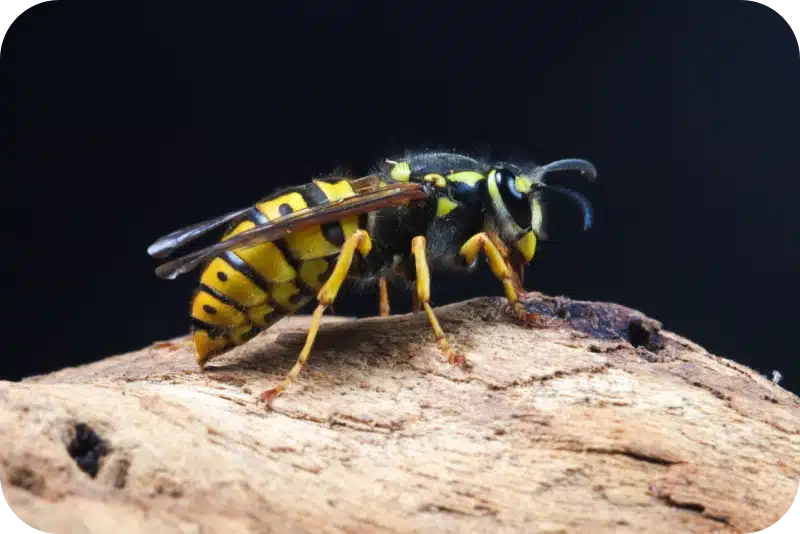
Summer wasp activity in Calgary is expected to become increasingly noticeable throughout 2026 as warmer temperatures and favorable nesting conditions support faster colony development. What begins as a small nest in late spring can grow into a serious problem within only a few weeks. As colonies expand, wasps become more visible around patios, decks, garbage […]
Following several weeks of above-average rainfall across Calgary, Airdrie, and surrounding communities, homeowners should expect to see a noticeable increase in mosquito activity. Warm temperatures combined with frequent rain create ideal breeding conditions, allowing populations to grow much faster than they would during a typical Alberta summer. While these insects are a familiar part of […]
As Summer 2026 progresses, homeowners throughout Calgary, Airdrie, and surrounding communities can expect increased activity from a variety of common pests. Warmer temperatures, seasonal rainfall, and expanding vegetation create ideal conditions for insects, rodents, and wildlife to thrive. Understanding which pests are most active during the summer months can help property owners identify issues early […]
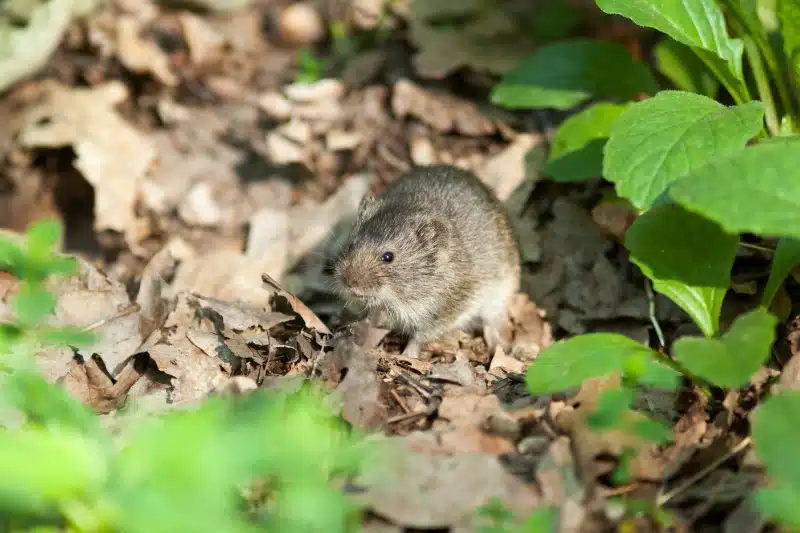
If your lawn is starting to feel soft, uneven, or covered in thin trails, you may be dealing vole activity. In Summer 2026, vole populations in Airdrie are increasing due to ideal breeding and feeding conditions, increasing the chance of potential vole damage. Voles do not just damage grass. They tunnel beneath the surface, destroying […]
How Professional Pest Control Targets and Removes Centipede Infestations Hiring a licensed exterminator is typically the most reliable way to stop recurring sightings of multi-legged pests. Store-bought sprays or traps may provide short-term relief, but without addressing hidden sources and entry points, the problem often returns. Professionals have access to treatment methods and inspection tools […]