How Indoor Pest Control Sprays Are Applied and What to Expect During Treatment
It’s common for a technician to treat living areas when addressing an insect or rodent issue, especially if there are signs of activity. In most situations, this involves targeted applications in specific zones rather than covering every surface. The goal is to place the product where it works without disrupting daily life.
Sometimes, it’s a quick pass along baseboards or in corners. Other times, the work might extend to cracks, behind appliances, or entry points where pests tend to hide. I’ve seen cases where the main effort stayed in the kitchen and basement, while bedrooms were left untouched simply because there was no need.
Of course, there’s a balance between thoroughness and comfort. A professional from The Pest Control Guy can explain why certain rooms are treated while others aren’t. That way, you know exactly what’s being done and why–without unnecessary disruption to your home routine.
Areas Indoors Where Sprays Are Commonly Applied
Targeted application often begins along baseboards, especially in corners where insects tend to hide. These spots provide warmth and shelter, so treating them early can help reduce recurring activity. Technicians may also work behind kitchen appliances, where crumbs and moisture create perfect conditions for unwanted visitors. It’s not unusual to see treatments extended to utility rooms, as pipes and vents can serve as entry points.
Bathrooms are another focus. The combination of humidity and small gaps around plumbing makes them a frequent trouble area. In some homes, attics or crawlspaces might be treated if signs of activity are detected, although this is more selective. In storage areas, such as closets or pantries, treatments are usually aimed at preventing damage to fabrics or stored goods. If you’re dealing with textile damage, you might want to learn how services like can pest control get rid of moths can help protect clothing and bedding.
Garages, while technically part of the property’s exterior envelope, are often included in interior treatment routes. They can be a gateway for rodents, insects, and even wildlife. If larger intruders are a concern, solutions like stop vole pest damage may be worth exploring. In every case, application is done selectively–focusing on risk areas rather than coating entire rooms without reason.
Safety Precautions During Indoor Spraying
Keep windows slightly open for ventilation during and after the application, unless the technician advises otherwise. Fresh air circulation can help disperse lingering odours and reduce exposure to airborne particles.
If you have pets or young children, arrange for them to be in another room–or better yet, outside the property–until treated areas are dry. Some families even choose to leave temporarily, following guidance similar to what’s shared in do you have to leave the house for pest control.
Remove food, dishes, and utensils from countertops.
Cover or store electronics and personal items that could collect residue.
Move furniture slightly away from walls so technicians can work without obstruction.
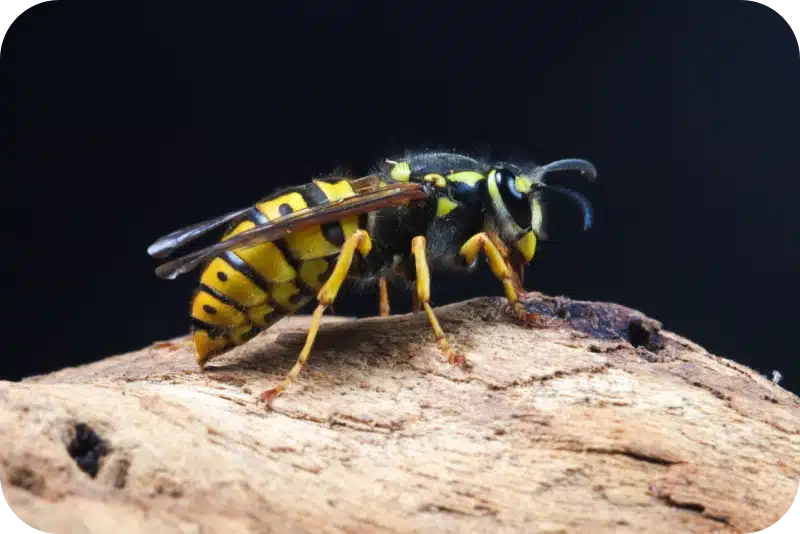
For households with animals, especially those sensitive to chemicals, considering pet-friendly pest solutions Airdrie might be a safer long-term choice. And for unexpected visitors like stinging insects–yes, treatments such as can pest control get rid of yellow jackets–the same mindset of preparation applies: clear the area, limit exposure, and follow the technician’s post-treatment care tips closely.
Preparation Steps Before Technicians Arrive
Clear access to areas where treatment will be applied. That might mean moving furniture, lifting rugs, or shifting storage bins so nothing blocks baseboards, corners, or entry points. If you’re unsure which spaces to prioritise, a quick call to an expert exterminator in Calgary can help confirm what’s most relevant for your situation.
Remove or cover food, dishes, and cooking utensils. It’s not just about safety–it keeps the process smooth and avoids last-minute disruptions. Any pet bowls, toys, or bedding should also be put away. Families with aquariums sometimes forget this step; covering tanks or moving them to another room avoids chemical contact. Licensed specialists, like the licensed pest technicians in Airdrie, often mention that these simple actions reduce delays on treatment day.
Vacuuming and light cleaning beforehand can make a difference. It doesn’t replace professional work, but it removes crumbs and dust that could interfere with applications. For outdoor-connected issues–say you’re dealing with mosquitoes and wondering what do pest control companies use for mosquitoes–it can help to trim vegetation near windows and doors too. If the situation feels urgent, services like Airdrie pest emergency response or Calgary wasp and skunk removal are set up to handle rapid scheduling, but even then, a bit of preparation goes a long way.
Q&A
Will the technician treat every room or only specific areas? Specialists usually focus on locations where insect activity is most likely, such as kitchens, bathrooms, basements, and entry points. In some cases, bedrooms and living rooms may also be treated if there are signs of unwanted activity there.
How long does the treatment smell last indoors? The scent from indoor applications typically fades within a few hours, but in poorly ventilated rooms it may linger for a day. Opening windows and running fans can help the air clear more quickly.
Is it safe for pets to stay at home during the application? Pets should be removed from treated rooms until the product has completely dried. This prevents accidental contact with wet surfaces and reduces any risk of ingestion through grooming.
Will the treatment leave stains or marks on walls and floors? Modern indoor products are designed to be clear and non-staining. However, on rare occasions, certain painted surfaces or fabrics may react, so technicians often test a small hidden area before full application.
How soon can I clean the floors after treatment? It’s best to wait at least 24 hours before mopping or scrubbing treated surfaces. This allows the solution to work as intended without being washed away prematurely.
Will the technician apply treatments to all rooms or only specific areas? The application is usually targeted rather than spread across every corner of a property. Professionals focus on locations where insects or rodents are most active, such as kitchens, bathrooms, basements, and entry points. Furniture may be moved to reach hidden zones, and baseboards or cracks can be treated to prevent further movement of unwanted intruders. Rooms without signs of activity are often left untreated to minimize unnecessary chemical exposure.
Summer wasp activity in Calgary is expected to become increasingly noticeable throughout 2026 as warmer temperatures and favorable nesting conditions support faster colony development. What begins as a small nest in late spring can grow into a serious problem within only a few weeks. As colonies expand, wasps become more visible around patios, decks, garbage […]
Following several weeks of above-average rainfall across Calgary, Airdrie, and surrounding communities, homeowners should expect to see a noticeable increase in mosquito activity. Warm temperatures combined with frequent rain create ideal breeding conditions, allowing populations to grow much faster than they would during a typical Alberta summer. While these insects are a familiar part of […]
As Summer 2026 progresses, homeowners throughout Calgary, Airdrie, and surrounding communities can expect increased activity from a variety of common pests. Warmer temperatures, seasonal rainfall, and expanding vegetation create ideal conditions for insects, rodents, and wildlife to thrive. Understanding which pests are most active during the summer months can help property owners identify issues early […]
If your lawn is starting to feel soft, uneven, or covered in thin trails, you may be dealing vole activity. In Summer 2026, vole populations in Airdrie are increasing due to ideal breeding and feeding conditions, increasing the chance of potential vole damage. Voles do not just damage grass. They tunnel beneath the surface, destroying […]
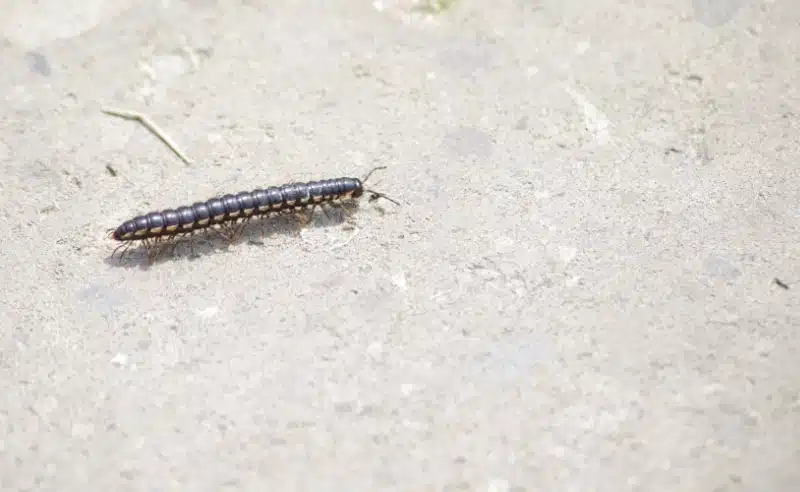
How Professional Pest Control Targets and Removes Centipede Infestations Hiring a licensed exterminator is typically the most reliable way to stop recurring sightings of multi-legged pests. Store-bought sprays or traps may provide short-term relief, but without addressing hidden sources and entry points, the problem often returns. Professionals have access to treatment methods and inspection tools […]