Signs You Should Contact a Pest Control Service Without Delay
A few ants near your baseboards may not seem like a big deal. However, if they consistently show up, even after multiple deep cleans and store bought traps, it is most likely not a coincidence. That is when you will start to think if you should let somebody who does this full time handle it. Recurring issues or growing clusters mean something larger is going on behind the scenes.
There is also the noise factor. Scratching in the walls late at night, especially in older houses, ca not always be blamed on pipes or settling wood. The same goes for strange smells coming from vents or crawl spaces. It is easy to dismiss those things at first, but they do not go away on their own. By the time you are certain it is not your imagination, the problem has grown bigger than a simple fix you can do on your own.
A few droppings near the pantry does not mean a mouse slipped in and left in one or two visits. A few days and a bag of ruined food later, you realize that is not the case. Situations such as these tend to escalate quietly, and then makes a drastic and abrupt appearance. If there are signs of nesting, damage to wiring or insulation, or droppings that seem to reappear no matter how often you clean, it is time for expert help.
In multi-unit buildings, like condos or townhomes, situations get complicated fast. Shared walls and common areas allow infestations to spread quickly, and in ways you ca not always control on your own. If you are curious how responsibility works in those cases, here is a quick read on whether condo associations are responsible for pest control.
Signs and Situations That Indicate It is Time to Call Pest Control
If you notice droppings in kitchen drawers, scratching behind walls, or an odd musky smell in the basement, you are not imagining things. Minor issues like one or two ants might seem harmless, but if you are seeing them regularly or in more than one place, there is most likely a nest nearby.
Chewed wires, shredded fabric, and grease marks along baseboards also point to uninvited guests. These are not a simple inconvenience; they can be a hazard. Rodents like dark places like attics and behind appliances. This is where the damage goes unnoticed for months. Waiting too long risks turning a manageable situation into something much larger and more difficult to get rid of.
If you have ever tried store bought products, and the problem stays persistent, you should call the professionals. Some insects can build resistance or hide deep inside walls and insulation, which makes DIY methods a 50/50. At that point, you should contact someone with the right tools to get rid of the problem entirely. Airdrie’s trusted pest professionals know how to trace the root of the issue, not just treat what is seen.
If your neighbors are dealing with the same thing, it most likely is an infestation. It spreads, especially in condos or townhomes. One unit with bed bugs or cockroaches often means several units have them. Acting early protects not only your space but the rest of the building too.
So, if you have got recurring signs, ineffective treatments, or any damage piling up, do not wait. These issues rarely gets better on its own.
Identifying Pest Infestations That Require Professional Help
If there are live insects showing up repeatedly, such as in the same room or at the same time of day, it’s likely more than just bad luck. One or two might be random. But patterns suggest something is brewing inside the walls, attic, or basement. For instance, moths in the pantry may seem like a small issue. But check out removing moths with professional help to see why this can quickly spiral out of control.
Unusual sounds like scratching at night, clicking behind outlets, or tapping in the ceiling, often mean rodents or insects are nesting somewhere you cannot see. If you notice strange smells like a musty odour or something that smells vaguely like rotting fruit, you probably have pest activity hidden from view.
Sometimes damage shows before the pests do. Chewed baseboards, droppings under the sink, or tiny grease marks along the walls. If you rent, it can get tricky figuring out responsibility. Landlord or tenant? This guide helps: Who to Call for Insects or Rodents in Your Apartment.
Minor Clues That Point to Bigger Problems
It’s easy to dismiss the odd insect as a one-off. But if you’re noticing more spiders than usual or ants in winter, when they shouldn’t be active, that would be a red flag. Professionals often look for trends over time, not just one dramatic event.
Another sign may be that the treatments you try yourself don’t seem to work, or they work temporarily. You do everything in your power to resolve the issue, but they keep coming back. At that point, a technician will find the source of the problem, whether it is surface level or deeper. If you are curious about how often experts visit for inspections or treatments, read this blog: how often does pest control come.
Before and After Clarity
Once the issue is confirmed and dealt with, there’s usually some confusion about next steps. Should you wait? Should you mop everything right away? Many people get it wrong and either clean too soon or not at all. To avoid mistakes, check this quick guide: Cleaning Your House Post Treatment.
For those concerned about safer, low-impact methods, or wondering if there are greener alternatives, there is helpful information here: Environmental Pest Control. Not every situation needs the same treatment, and sometimes a lighter-touch option is all that is needed. Other times? You will want someone in right away.
Understanding Health and Property Risks Linked to Delayed Action
Waiting too long before addressing indoor infestations can quietly escalate things beyond surface level discomfort. What begins as a few unexplained droppings or faint scratching sounds behind the walls can quickly develop into something much more destructive, either structurally or biologically.
Rodents, for example, do not just nibble through food packaging. They chew on electrical wires, insulation, and wood framing. That puts homes at risk of fire, water damage, or even costly renovations. And aside from the property side of it, there’s real concern around disease exposure. Mice can carry bacteria like salmonella and viruses such as hantavirus. If you have noticed signs already, customized mice treatments or help from local mice pest control specialists might not just be a good idea, it’s probably overdue.
Health Hazards Aren’t Always Obvious
It’s not always dramatic. Something like drain flies might seem harmless at first. Small, slow-moving, easy to ignore. But they often signal standing water or decaying organic matter inside plumbing systems. These quietly contribute to indoor air quality issues. They also reproduce quickly in the right environment. If you’re unsure whether to wait it out, here is what you might want to know about whether can pest control get rid of drain flies. The Pest Control Guy does get rid of drain flies with exterminating the source along with it.
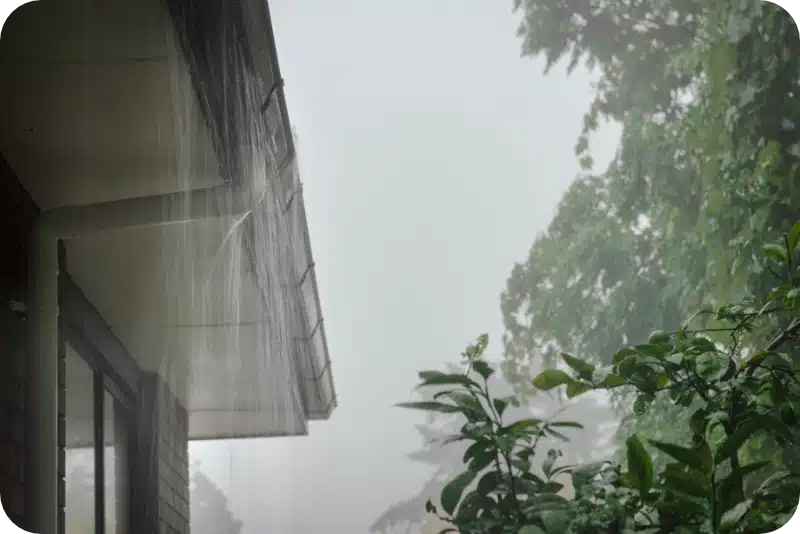
Moisture plays a huge role in how quickly an issue can grow. People ask if using treatments on pests during wet weather is worth the hassle. With the right treatment, pest control spray works exceedingly well, applied safely and with lasting results.
Waiting Can Invite Bigger Problems
Hesitating does not always seem risky in the moment, but problems rarely stay contained. A small indoor issue can spread outdoors, or vice versa. Entry points multiply, droppings pile up, multiplication accelerates. Then the original fix becomes more time consuming, disruptive, and inevitably, more expensive.
If something has been nagging at you, something you have seen, heard, or simply suspected, it may be time to stop hoping it will go away on its own, as it rarely does.
Comparing DIY Methods with Professional Intervention Timing
Start with your own efforts but set a clear limit. If home treatments are not working within a few days to a week or if activity keeps rebounding, it is probably time to stop trying to fix your problem alone. Consistent issues often point to something hidden, whether it be a nest in the wall, an entry point you missed, or a resistant species that are not affected off regular store sprays.
Some situations don’t leave much room for trial and error. For instance:
Rodents visible during daytime
Droppings in multiple areas
Unusual smells coming from vents or cupboards
Insects that reappear within hours after spraying
A customer tried sticky traps once for a mouse problem. They caught one, but three days later there were scratch marks under the sink and insulation pulled out behind the dryer. It turned out they were nesting in the attic. One of The Pest Control Guy’s trusted technicians sealed gaps they never would have found.
Where DIY Works, And Where It Fails Fast
Quick action on something like fruit flies or an occasional spider? Makes sense to try vinegar traps or a vacuum. But the second you’re dealing with something spreading, such as drain flies multiplying near every sink, it is probably already past surface level. In that case, this guide may help: can the pest control guy get rid of drain flies.
Also consider what’s at stake. Moths in stored food or fabric? One or two might be manageable. However, a consistent fluttering presence suggests you’re missing the larvae. See more in this post: can pest control get rid of moths.
Bottom Line
As long the problem resolves and does not escalate further, you can fix your own pest problems. However, the longer the problem drags on, the more it can cost you in damage, time, and stress. Set your threshold early. If you are questioning whether you are making any progress, you probably are not.
Q&A
How can I tell if an infestation is beyond what I can manage myself?
If you notice that pests are appearing in large numbers, causing visible damage to your property, or if DIY methods have not reduced their presence after several attempts, it may be time to seek specialized assistance. Signs like nests inside walls, structural damage, or rapid reproduction rates usually require targeted intervention that goes beyond household treatments.
Are there specific types of intruders that require immediate expert attention?
Certain species, such as termites, rodents, or stinging insects like wasps, pose risks that escalate quickly. Termites can silently compromise the integrity of wooden structures, rodents may carry diseases, and aggressive insects can cause allergic reactions. Detecting these should prompt swift action to prevent harm and extensive damage.
What health concerns might arise from delaying professional services?
Delaying specialized intervention can increase exposure to allergens, bacteria, and viruses carried by some unwelcome creatures. For example, rodent droppings may trigger respiratory issues, and cockroach infestations can worsen asthma symptoms. Additionally, some pests contaminate food or surfaces, raising the chance of infections.
How often should one monitor for signs that indicate the need for expert help?
Regular inspections, ideally every few months, help detect early signs such as droppings, damaged materials, or unusual noises. Increasing vigilance during seasonal changes or after heavy rain is useful because many species become more active. Prompt identification allows for timely action before infestations grow.
Is it possible to prevent large-scale issues by acting early with professional intervention?
Addressing small problems early can prevent escalation into widespread infestations, reducing repair costs and health risks. Expert evaluation can also identify vulnerabilities in your home or business and recommend measures to avoid future occurrences, contributing to long-term protection and peace of mind
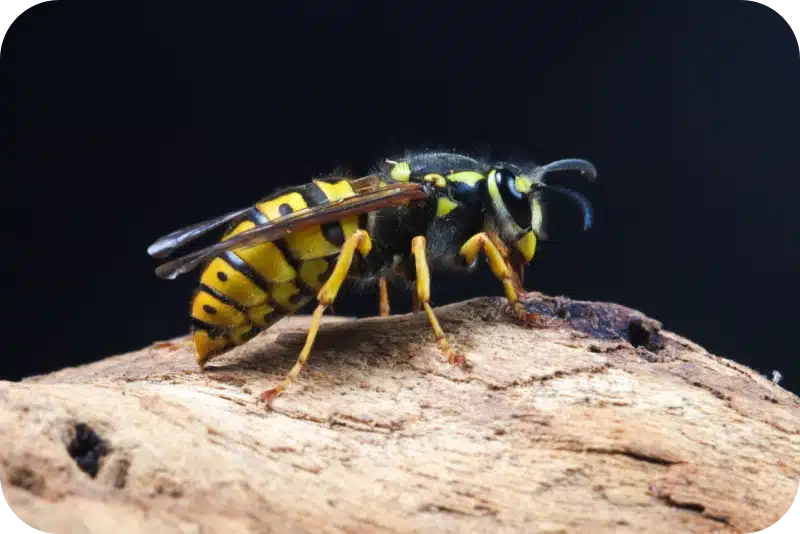
Summer wasp activity in Calgary is expected to become increasingly noticeable throughout 2026 as warmer temperatures and favorable nesting conditions support faster colony development. What begins as a small nest in late spring can grow into a serious problem within only a few weeks. As colonies expand, wasps become more visible around patios, decks, garbage […]
Following several weeks of above-average rainfall across Calgary, Airdrie, and surrounding communities, homeowners should expect to see a noticeable increase in mosquito activity. Warm temperatures combined with frequent rain create ideal breeding conditions, allowing populations to grow much faster than they would during a typical Alberta summer. While these insects are a familiar part of […]
As Summer 2026 progresses, homeowners throughout Calgary, Airdrie, and surrounding communities can expect increased activity from a variety of common pests. Warmer temperatures, seasonal rainfall, and expanding vegetation create ideal conditions for insects, rodents, and wildlife to thrive. Understanding which pests are most active during the summer months can help property owners identify issues early […]
If your lawn is starting to feel soft, uneven, or covered in thin trails, you may be dealing vole activity. In Summer 2026, vole populations in Airdrie are increasing due to ideal breeding and feeding conditions, increasing the chance of potential vole damage. Voles do not just damage grass. They tunnel beneath the surface, destroying […]
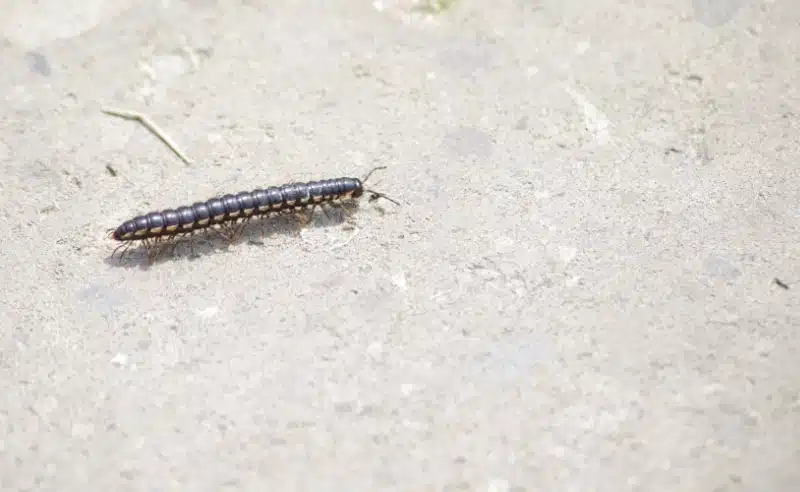
How Professional Pest Control Targets and Removes Centipede Infestations Hiring a licensed exterminator is typically the most reliable way to stop recurring sightings of multi-legged pests. Store-bought sprays or traps may provide short-term relief, but without addressing hidden sources and entry points, the problem often returns. Professionals have access to treatment methods and inspection tools […]